In the Kalakshetra Tradition
Published: January 15, 2026
In 1936, Rukmini Devi Arundale established the Kalakshetra in Chennai which promoted the learning of performance arts. After having a formal training in Bharatanatyam primarily in the Pandanalloor style from Meenakshi Sundaram Pillai and of Ballet from Anna Pavalova, Rukmini Devi focussed on promoting the Indian Classical Dance form. Her major contribution along with E. Krishna Iyer was to name the artform as Bharatanatyam and educate society to view dance as a respectable art.
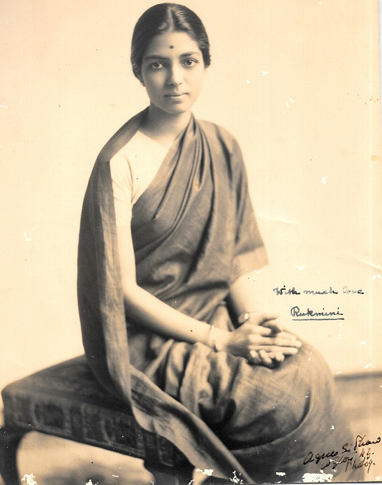
Guru Rukmini Devi Arundale | Source: Surendra Narayan Archives
With refined movements, emphasis on delicate aesthetics and subtle expressions, and incorporating the skirt-style costumes and practice saris, the Kalakshetra style as it emerged, laid a strong foundation in Bharatanatyam's evolution. The institution also fostered the study of other art forms such as Kathakali, vocal music, instrumental music, nattuvangam, as well as learning languages and the social sciences.
Resistance to Stigma
Kalakshetra's stature today as a prestigious organisation is rooted in its historical resistance to a stigma that associated dance with women of low social standing and repute. The British Anti Nautch policies had pushed many artists into poverty, and prostitution resulting in the decline of many art forms in India. Remnants of the colonial mindset persists even today, where children are discouraged from learning dance.
Embracing Dance as Culture
It is time we embrace dance as an inherent part of culture, and a medium of tradition, education, interpersonal development, physical health and mental wellbeing.